For US Healthcare Professionals
For US HCPs
Prescribing Information
IMAAVY® (nipocalimab-aahu)
Patient Enrollment Form

Results from the ENERGY study

Study Design
Hgb Response
Additional Hgb Response Analysis
FACIT-Fatigue

The 24-week, multicenter, randomized, double-blind, placebo-controlled trial was designed with a stringent primary endpoint of durable hemoglobin (Hgb) response1,2

Patients had to achieve 4 independent efficacy measures at the same time starting by Week 16 to qualify as a primary endpoint responder1:
Hgb ≥10 g/dL
+
Increase from baseline ≥2 g/dL
+
For 3 consecutive study visits* ​(≥28 days)​
+
No rescue treatment†
ENERGY study design; IMAAVY approved for 30 mg/kg Q4W1,3-5‡
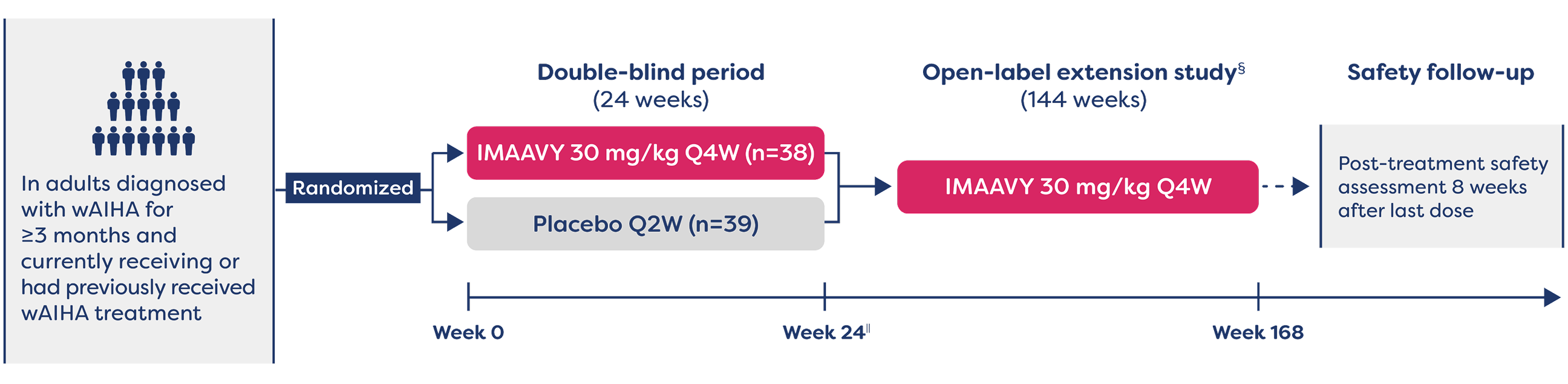
ENERGY clinical study design
All patients were allowed to continue their stable doses of corticosteroids and/or immunosuppressants.1
At baseline: This included corticosteroids (89.5% for IMAAVY and 87.2% for placebo), immunosuppressants (23.7% for IMAAVY and 25.6% for placebo), or both (18.4% for IMAAVY and 20.5% for placebo).1

IVIG=intravenous immunoglobulin; OLE=open-label extension; PD=pharmacodynamics; PK=pharmacokinetics; Q2W=every 2 weeks; Q4W=every 4 weeks; wAIHA=warm autoimmune hemolytic anemia.

*Study visits were conducted every 2 weeks.5
†Rescue therapy defined as any new or increased dose of corticosteroids, blood transfusions, or IVIG administration.5 
‡In the ENERGY study, 38 patients were randomized to receive IMAAVY 15 mg/kg Q2W dosing regimen and 3 patients were randomized to receive IMAAVY 30 mg/kg Q2W. These dosing regimens are not FDA approved.1,5
§At or after Week 16, all patients had the opportunity to discontinue in the double-blind phase and crossover to IMAAVY if they were not meeting the protocol-defined criteria.1
¶Patients who did not enter the OLE were followed for post-treatment efficacy, PK, PD, and safety assessments 8 weeks post–last dose.5

Inclusion and exclusion criteria4,5

Key inclusion criteria:

  • Adults ≥18 years
  • Active primary or secondary wAIHA
  • Diagnosed with wAIHA for at least 3 months
  • Currently receiving or have previously received wAIHA treatment
  • Stable on corticosteroids and/or immunosuppressants (eg, azathioprine, mycophenolate mofetil/mycophenolic acid, methotrexate, cyclosporine, tacrolimus, danazol, and cyclophosphamide)

Key exclusion criteria:

  • Recent transfusions, rituximab, or IVIG
  • Diagnosed with cold antibody AIHA, cold agglutinin syndrome, mixed type AIHA, or paroxysmal cold hemoglobinuria
  • Infections/immunodeficiency
  • Patients currently breastfeeding or pregnant
  • Hypersensitivity to IMAAVY

AIHA=autoimmune hemolytic anemia; IVIG=intravenous immunoglobulin; wAIHA=warm autoimmune hemolytic anemia.

Baseline characteristics1

ParameterIMAAVY 30 mg/kg Q4W (n=38)Placebo (n=39)
wAIHA type
Primary wAIHA (%)
92.1
82.1
Monospecific direct antiglobulin test (DAT)*​
Only IgG positive (%)
41.7
63.2
IgG and C3d positive (%)​
58.3
36.8
Baseline hemoglobin (g/dL)​
Median (range)
9.3 (5; 12)
9.1 (5; 12)
Baseline FACIT-Fatigue total score†​
Median (range)
36.0 (14; 52)
32.0 (8; 49)
Concomitant corticosteroids and/
or immunosuppressants​
Corticosteroids‡ (%)
89.5
87.2
Immunosuppressants‡§ (%)
23.7
25.6
Corticosteroids and immunosuppressants (%)
18.4
20.5
Previous treatment for wAIHA
Corticosteroid use only (%)
47.4
59.0
Rituximab (%)
42.1
48.7
Immunosuppressant use only (%)
0
0

FACIT=Functional Assessment of Chronic Illness Therapy; wAIHA=warm autoimmune hemolytic anemia.

*DAT screening results are missing for 2 patients in the IMAAVY 30 mg/kg IV every 4 weeks group and one patient in the placebo group due to an operational issue. All 3 patients met the inclusion criteria and were eligible to enroll in the study.1
†Fatigue-related symptoms and impacts were assessed using a patient-reported outcome instrument, FACIT-Fatigue (score range from 0 to 52 with higher scores indicating less fatigue).1
‡Alone or in combination with the other treatment.1
§Immunosuppressants included azathioprine, mycophenolate mofetil/mycophenolic acid, methotrexate, cyclosporine, tacrolimus, danazol, and cyclophosphamide.1
Patient primary endpoint responder examples (illustrative)
These are 3 hypothetical examples of what a responder or nonresponder could look like, and are not meant to represent all patient responses. They are for illustrative purposes only and do not represent data from patients in the ENERGY study.
3 hypothetical examples of what a responder or nonresponder could look like

Hgb=hemoglobin.

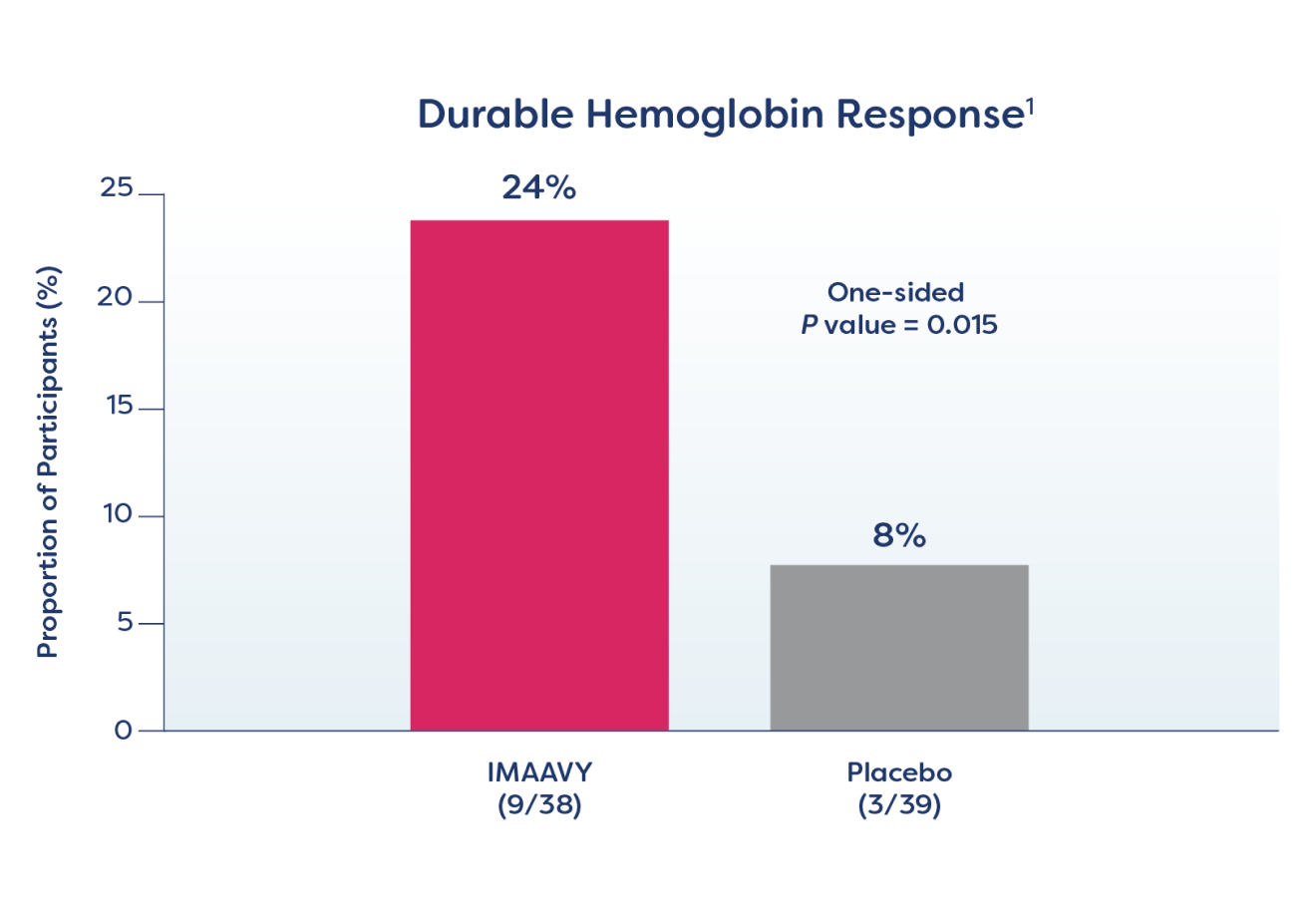
IMAAVY® (nipocalimab-aahu) delivers a durable Hgb response1

Significantly more patients taking IMAAVY vs placebo achieved the stringent primary endpoint1

To be a responder, patients had to achieve all primary endpoint criteria starting by Week 161:

Hgb ≥10 g/dL
+
Increase from baseline ≥2 g/dL
+
For 3 consecutive study visits* (≥28 days)
+
No rescue treatment​†
IMAAVY (9/38) vs placebo ± SOC (3/39) Durable Hemoglobin Response

The one-sided P values use an alpha level of 0.02499. Statistically significant based on equal weight multiple comparison testing procedure.

All patients were allowed to continue their stable doses of corticosteroids and/or immunosuppressants.1

Hgb=hemoglobin.

*Study visits were conducted every 2 weeks.

†Rescue therapy was defined as any new or increased dose of corticosteroids, blood transfusions, or IVIG administration.

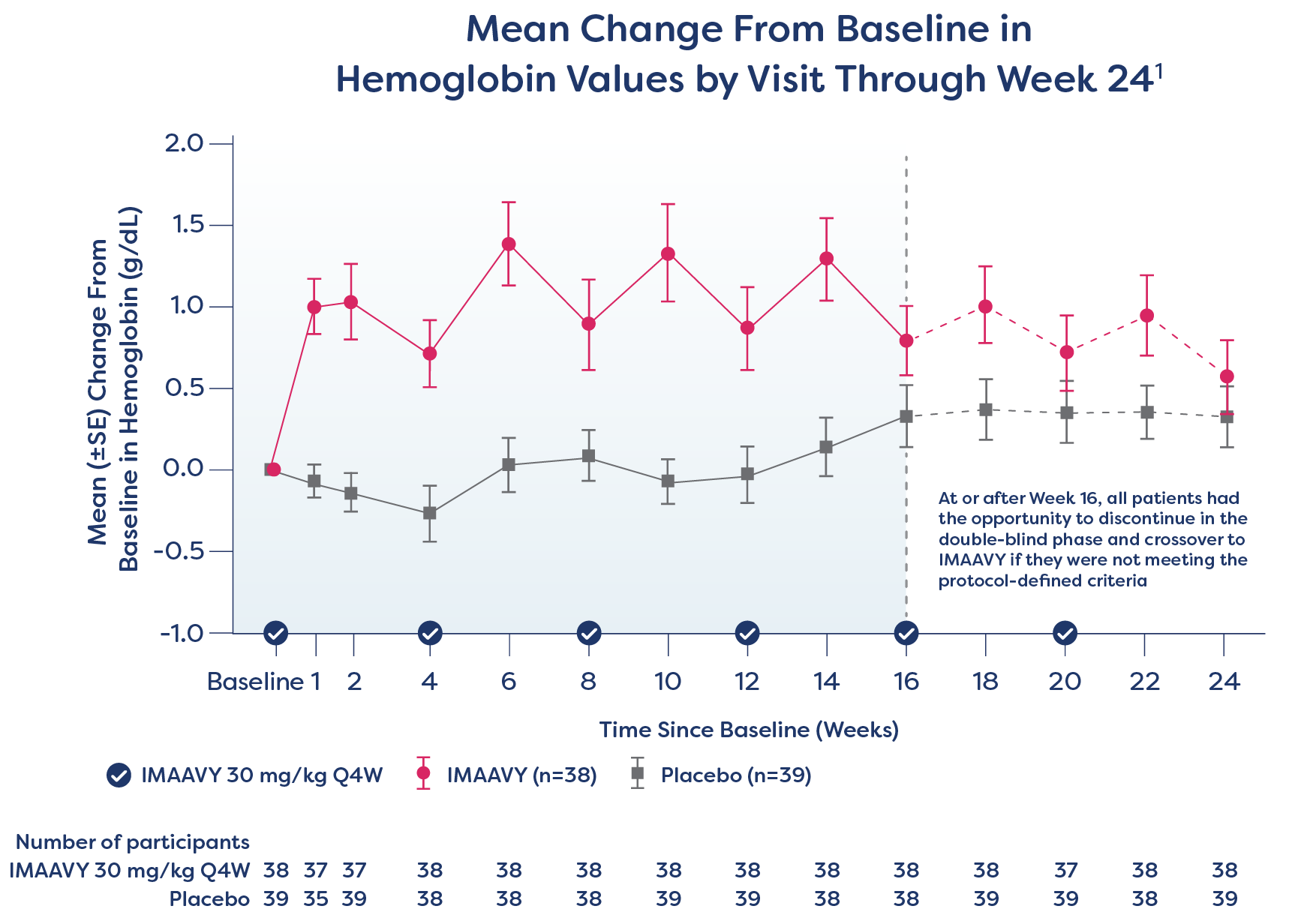
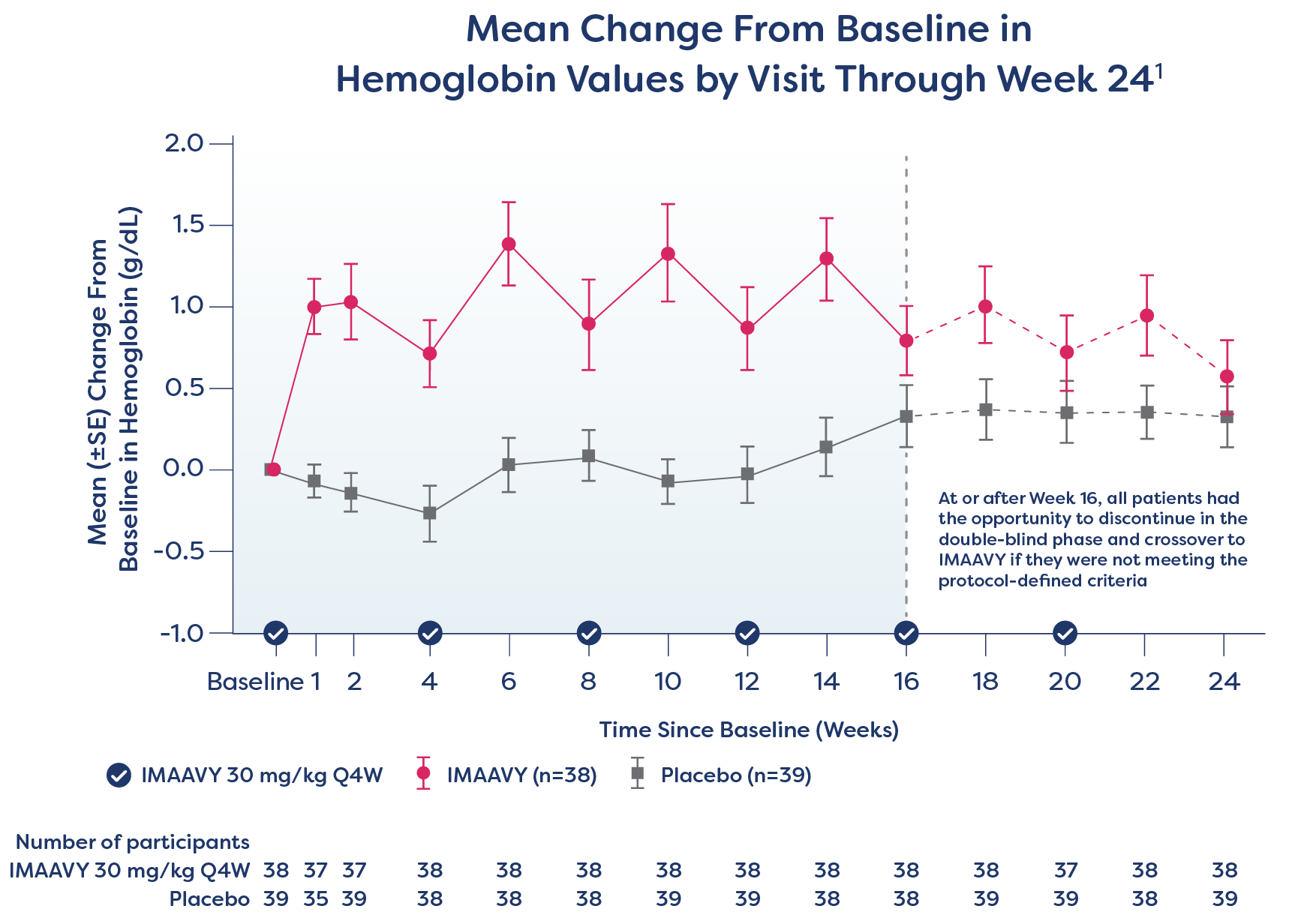
A mean increase in Hgb of 1 g/dL observed at Week 1 in IMAAVY-treated patients1‡

Mean Change from Baseline in Hemoglobin Values by Visit Through Week 24

For patients discontinuing treatment or receiving rescue therapy before Week 24, change from baseline was set to zero for all subsequent visits.

Results are considered descriptive based on the study’s prespecified statistical analysis plan. Therefore, statistical significance has not been established.

IVIG=intravenous immunoglobulin; Q4W=every 4 weeks.

‡Compared to no change in the placebo group.

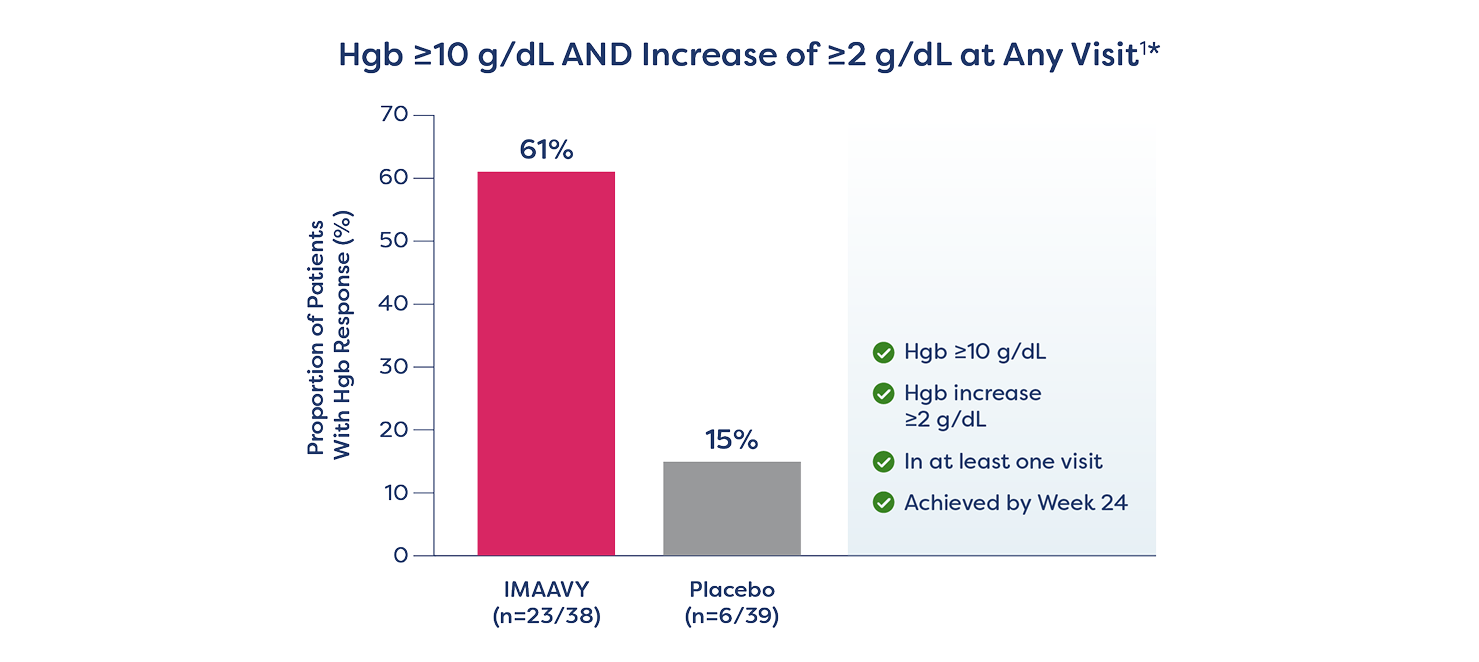
Prespecified additional analysis of Hgb response1

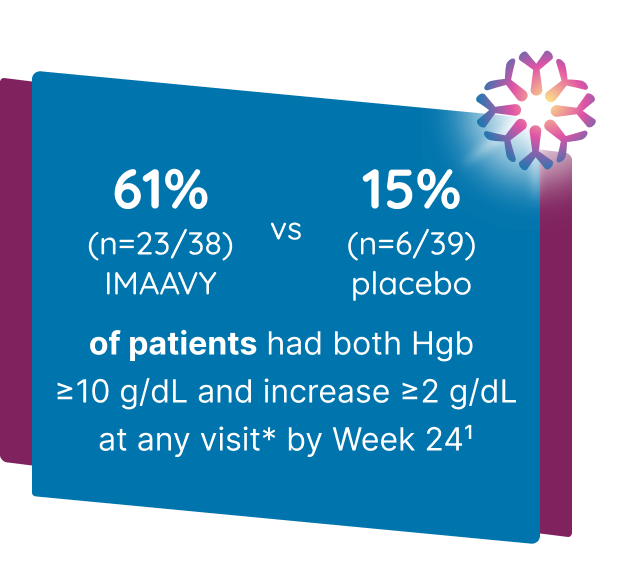
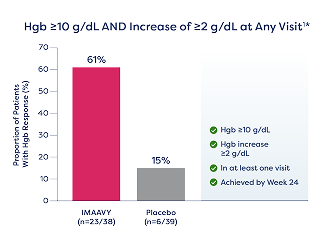
Hgb ≥ 10 g/dL and increase ≥ 2g/dL at any visit on IMAAVY (n=23/38) vs placebo ± SOC (n=6/39)
61% (n=23/38) IMAAVY vs 15% (n=6/39) placebo ± SOC of patients had both Hgb improvements ≥ 10 g/dL by Week 24 and increase of ≥ 2g/dL at any visit
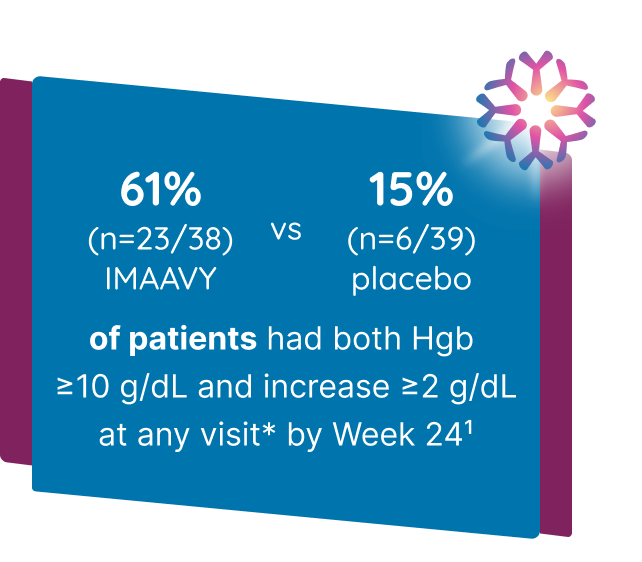
Hgb ≥ 10 g/dL and increase ≥ 2g/dL at any visit on IMAAVY (n=23/38) vs placebo ± SOC (n=6/39)
61% (n=23/38) IMAAVY vs 15% (n=6/39) placebo ± SOC of patients had both Hgb improvements ≥ 10 g/dL by Week 24 and increase of ≥ 2g/dL at any visit

Results are considered descriptive based on the study’s prespecified statistical analysis plan. Therefore, statistical significance has not been established.

All patients were allowed to continue their stable doses of corticosteroids and/or immunosuppressants.2

Hgb=hemoglobin.

*At any visit refers to ≥1 visit.

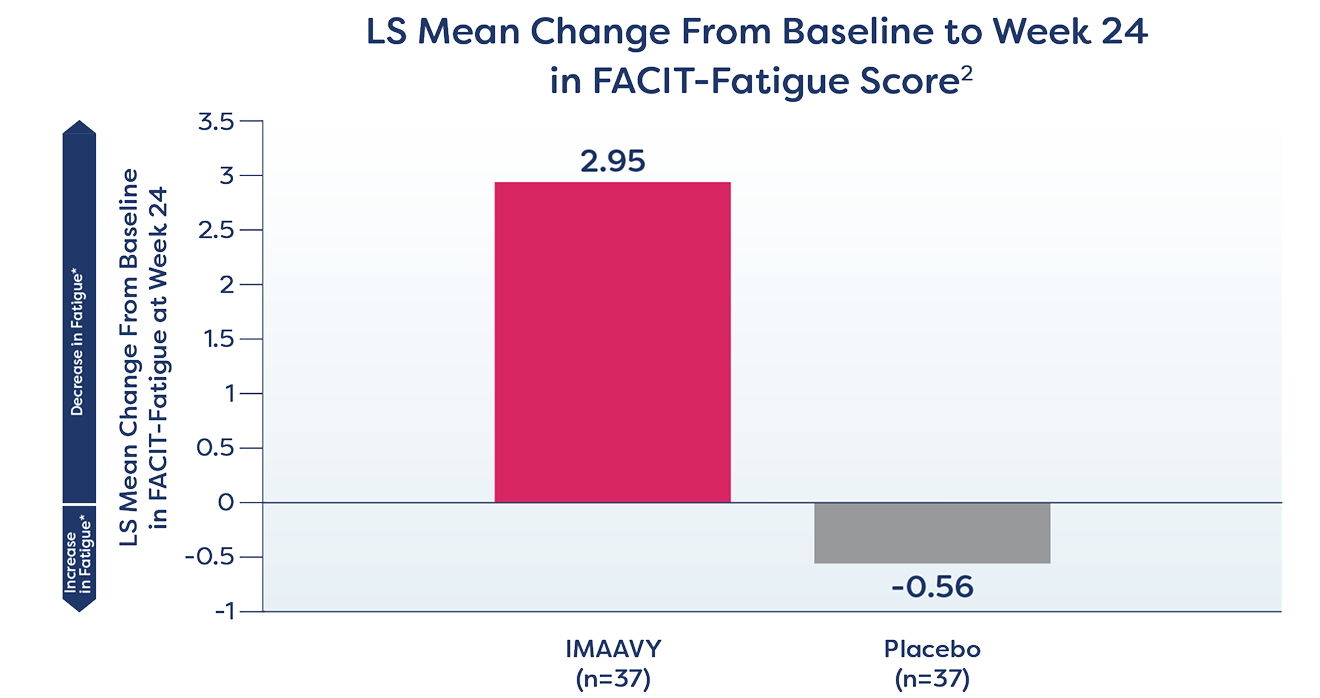
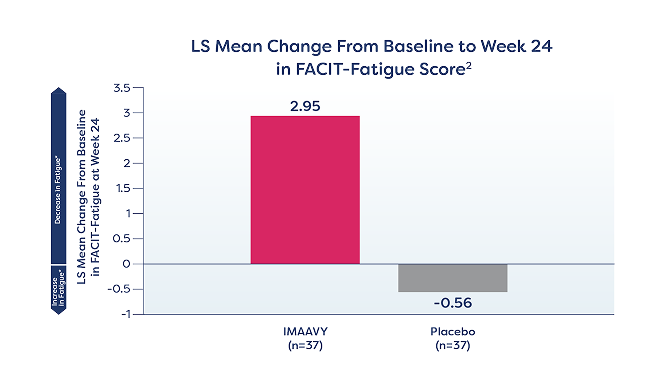
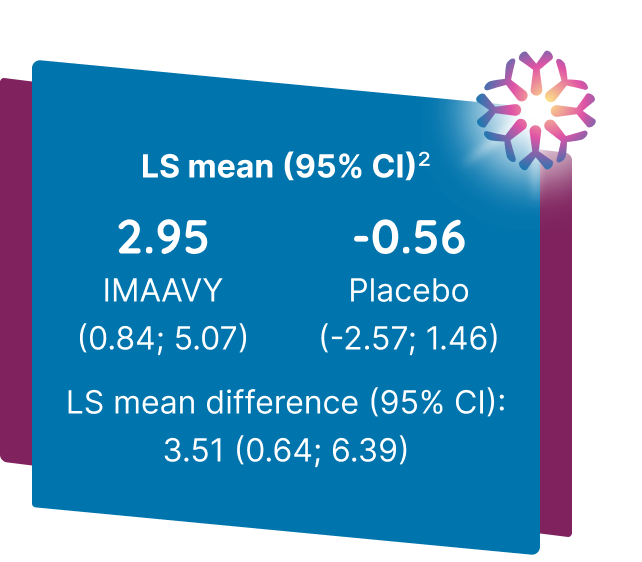
Change in FACIT-Fatigue from baseline to Week 24 was a key secondary endpoint1,2

IMAAVY (n=37) vs placebo (n=37) Least Squares (LS) Mean Change in FACIT-Fatigue at the End of the DB Period (Week 24)
LS mean (95% CI)2 2.95 IMAAVY: (0.84; 5.07), -0.56 placebo (-2.95; 1.46) LS mean difference (95% CI): 3.51 (0.62; 6.39)

Results are considered descriptive based on the study’s prespecified statistical analysis plan. Therefore, statistical significance has not been established.

All patients were allowed to continue their stable doses of corticosteroids and/or immunosuppressants.2

Patients without FACIT-Fatigue score at baseline were excluded from the analysis.1

*The FACIT-Fatigue Scale is a validated 13-item questionnaire evaluating physical, functional, and psychosocial aspects of patient fatigue over 7 days. Total scores range from 0 to 52 (5-point scale, 0–4), with higher scores reflecting lower fatigue severity3,4

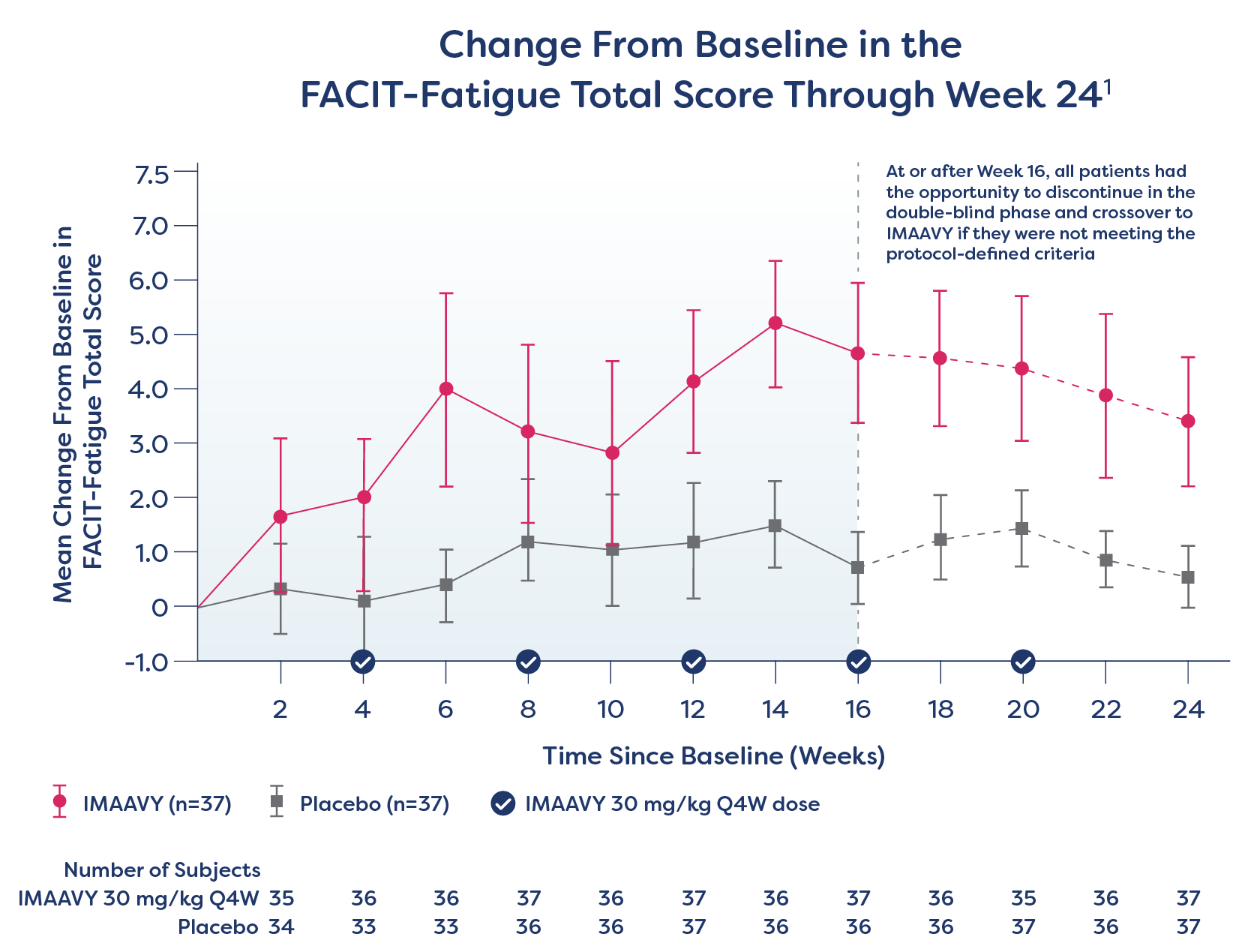
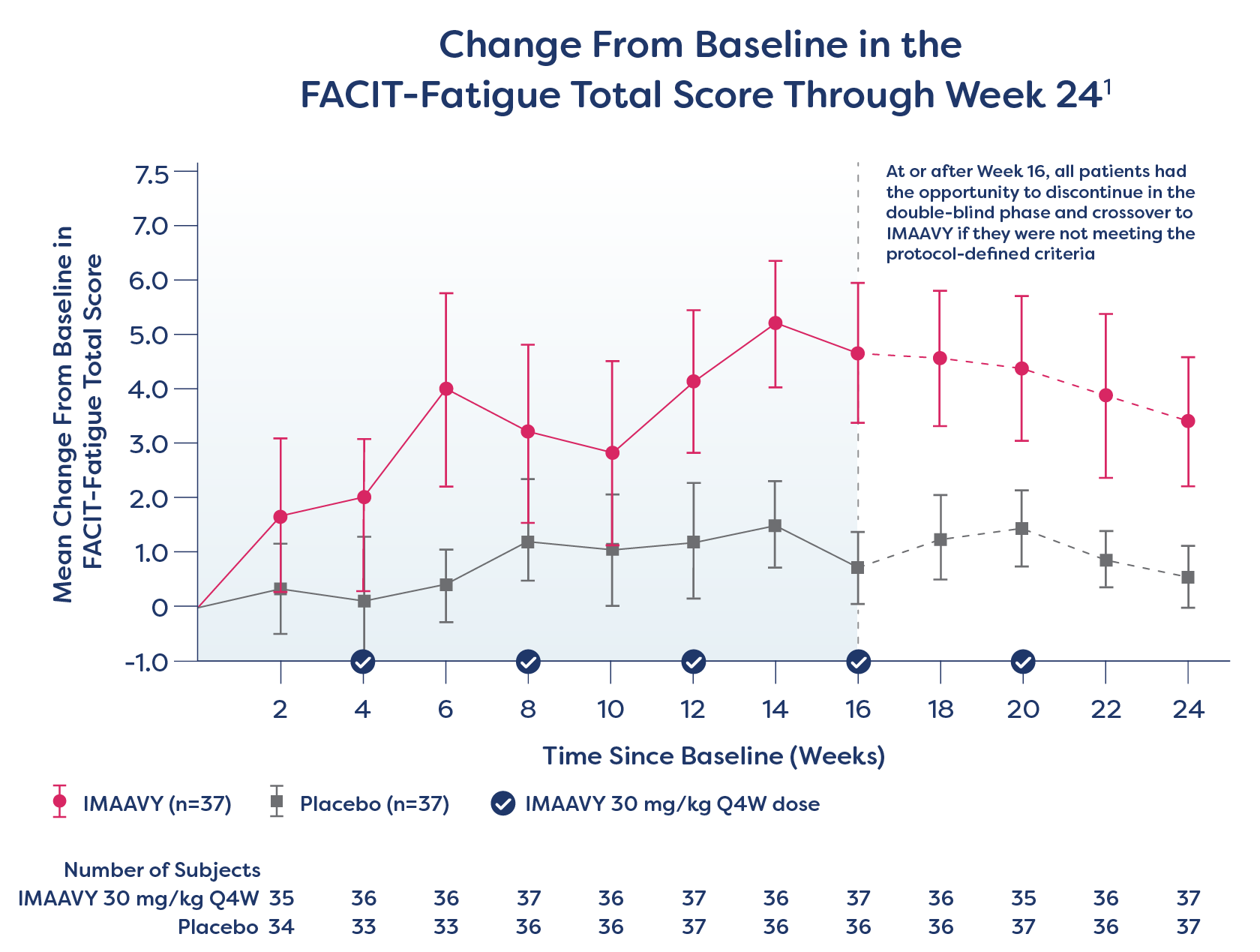
Impact on fatigue was observed by Week 2 through Week 241

Change From Baseline in the FACIT-Fatigue Total Score Through Week 24

For patients discontinuing treatment or receiving rescue therapy before Week 24, change from baseline was set to zero for all subsequent visits.

Results are considered descriptive based on the study’s prespecified statistical analysis plan. Therefore, statistical significance has not been established.

CI=confidence interval; DB=double-blind; FACIT=Functional Assessment of Chronic Illness Therapy; Q4W=every 4 weeks.

The 24-week, multicenter, randomized, double-blind, placebo-controlled trial was designed with a stringent primary endpoint of durable hemoglobin (Hgb) response1,2

Patients had to achieve 4 independent efficacy measures at the same time starting by Week 16 to qualify as a primary endpoint responder1:
Hgb ≥10 g/dL
+
Increase from baseline ≥2 g/dL
+
For 3 consecutive study visits* ​(≥28 days)​
+
No rescue treatment†
ENERGY study design; IMAAVY approved for 30 mg/kg Q4W1,3-5‡
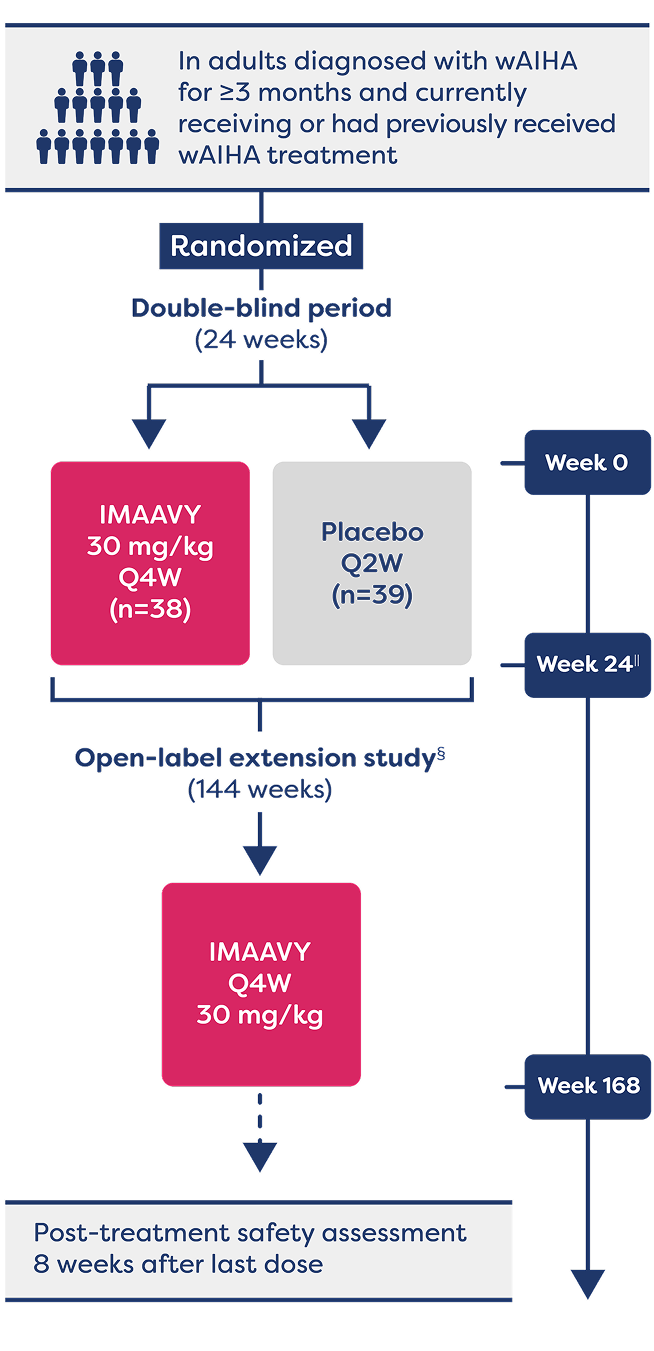
ENERGY clinical study design
All patients were allowed to continue their stable doses of corticosteroids and/or immunosuppressants.1
At baseline: This included corticosteroids (89.5% for IMAAVY and 87.2% for placebo), immunosuppressants (23.7% for IMAAVY and 25.6% for placebo), or both (18.4% for IMAAVY and 20.5% for placebo).1

IVIG=intravenous immunoglobulin; OLE=open-label extension; PD=pharmacodynamics; PK=pharmacokinetics; Q2W=every 2 weeks; Q4W=every 4 weeks; wAIHA=warm autoimmune hemolytic anemia.

*Study visits were conducted every 2 weeks.5
†Rescue therapy defined as any new or increased dose of corticosteroids, blood transfusions, or IVIG administration.5 
‡In the ENERGY study, 38 patients were randomized to receive IMAAVY 15 mg/kg Q2W dosing regimen and 3 patients were randomized to receive IMAAVY 30 mg/kg Q2W. These dosing regimens are not FDA approved.1,5
§At or after Week 16, all patients had the opportunity to discontinue in the double-blind phase and crossover to IMAAVY if they were not meeting the protocol-defined criteria.1
¶Patients who did not enter the OLE were followed for post-treatment efficacy, PK, PD, and safety assessments 8 weeks post–last dose.5

Inclusion and exclusion criteria4,5

Key inclusion criteria:

  • Adults ≥18 years
  • Active primary or secondary wAIHA
  • Diagnosed with wAIHA for at least 3 months
  • Currently receiving or have previously received wAIHA treatment
  • Stable on corticosteroids and/or immunosuppressants (eg, azathioprine, mycophenolate mofetil/mycophenolic acid, methotrexate, cyclosporine, tacrolimus, danazol, and cyclophosphamide)

Key exclusion criteria:

  • Recent transfusions, rituximab, or IVIG
  • Diagnosed with cold antibody AIHA, cold agglutinin syndrome, mixed type AIHA, or paroxysmal cold hemoglobinuria
  • Infections/immunodeficiency
  • Patients currently breastfeeding or pregnant
  • Hypersensitivity to IMAAVY

AIHA=autoimmune hemolytic anemia; IVIG=intravenous immunoglobulin; wAIHA=warm autoimmune hemolytic anemia.

Baseline characteristics1

ParameterIMAAVY 30 mg/kg Q4W (n=38)Placebo (n=39)
wAIHA type
Primary wAIHA (%)
92.1
82.1
Monospecific direct antiglobulin test (DAT)*​
Only IgG positive (%)
41.7
63.2
IgG and C3d positive (%)​
58.3
36.8
Baseline hemoglobin (g/dL)​
Median (range)
9.3 (5; 12)
9.1 (5; 12)
Baseline FACIT-Fatigue total score†​
Median (range)
36.0 (14; 52)
32.0 (8; 49)
Concomitant corticosteroids and/
or immunosuppressants​
Corticosteroids‡ (%)
89.5
87.2
Immunosuppressants‡§ (%)
23.7
25.6
Corticosteroids and immunosuppressants (%)
18.4
20.5
Previous treatment for wAIHA
Corticosteroid use only (%)
47.4
59.0
Rituximab (%)
42.1
48.7
Immunosuppressant use only (%)
0
0

FACIT=Functional Assessment of Chronic Illness Therapy; wAIHA=warm autoimmune hemolytic anemia.

*DAT screening results are missing for 2 patients in the IMAAVY 30 mg/kg IV every 4 weeks group and one patient in the placebo group due to an operational issue. All 3 patients met the inclusion criteria and were eligible to enroll in the study.1
†Fatigue-related symptoms and impacts were assessed using a patient-reported outcome instrument, FACIT-Fatigue (score range from 0 to 52 with higher scores indicating less fatigue).1
‡Alone or in combination with the other treatment.1
§Immunosuppressants included azathioprine, mycophenolate mofetil/mycophenolic acid, methotrexate, cyclosporine, tacrolimus, danazol, and cyclophosphamide.1
Patient primary endpoint responder examples (illustrative)
These are 3 hypothetical examples of what a responder or nonresponder could look like, and are not meant to represent all patient responses. They are for illustrative purposes only and do not represent data from patients in the ENERGY study.
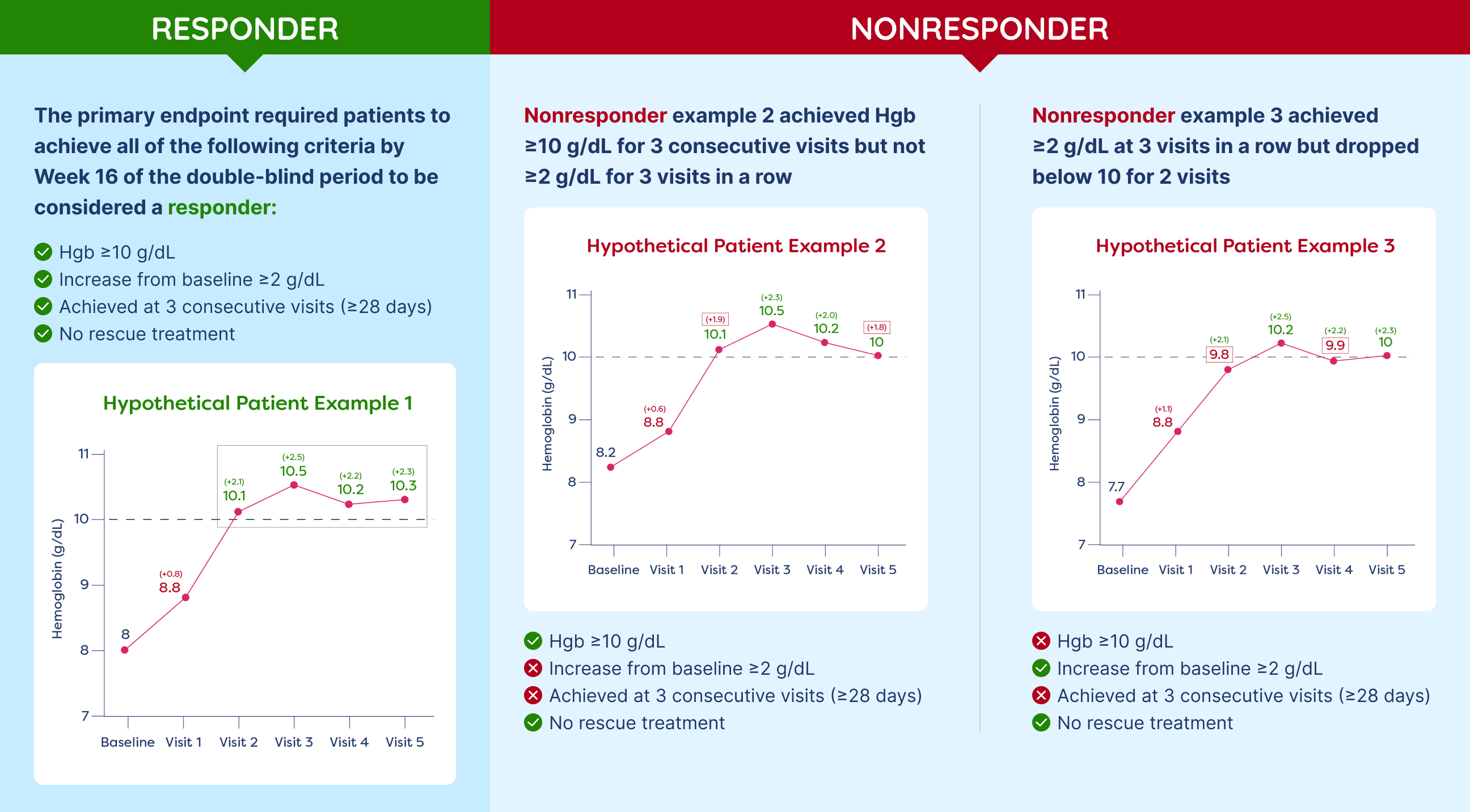
3 hypothetical examples of what a responder or nonresponder could look like

Hgb=hemoglobin.

IMAAVY® (nipocalimab-aahu) Transparent Logo

Once you’ve made the decision to prescribe IMAAVY

Sign your patients up for support to help begin their IMAAVY journey

Enroll your patients today
IMAAVY® (nipocalimab-aahu) Transparent Logo
Contact your local representative
Patient enrollment form

References: 1. IMAAVY [Prescribing Information]. Horsham, PA: Janssen Biotech, Inc. 2. Janssen Research & Development, LLC. Efficacy and Safety of M281 in Adults With Warm Autoimmune Hemolytic Anemia (ENERGY). ClinicalTrials.gov identifier: NCT04119050. Updated July 31, 2026. Accessed August 19, 2026. https://clinicaltrials.gov/study/NCT04119050 3. Fattizzo B, Murakhovskaya I, Ueda Y, et al. Pharmacodynamic effect of nipocalimab in warm autoimmune hemolytic anemia (WAIHA) and correlation with clinical improvement. Poster presented at: European Hematology Association (EHA) 2026 Congress; June 11–14, 2026; Stockholm, Sweden. Poster PF1297. 4. Fattizzo B, Murakhovskaya I, Ueda Y, et al. Nipocalimab for warm autoimmune hemolytic anemia: results from the phase 2/3 randomized double-blind ENERGY study. Presented at: European Hematology Association (EHA) 2026 Congress; June 11–14, 2026; Stockholm, Sweden. Abstract S300. 5. Data on file. Janssen Biotech, Inc.